
 SOL3
SOL3 VAN3
VAN3 AZE1
AZE1 TJK0
TJK0 GIB0
GIB0 STP0
STP0 AND
AND MLT
MLT AUT
AUT ISR
ISR KOS
KOS IRL
IRL LIE
LIE LTU
LTU NED
NED GER
GER NOR
NOR DEN
DEN POR
POR WAL
WAL SRB
SRB GRE
GRE ARM
ARM LVA
LVA GEO
GEO NIR
NIR HUN
HUN UKR
UKR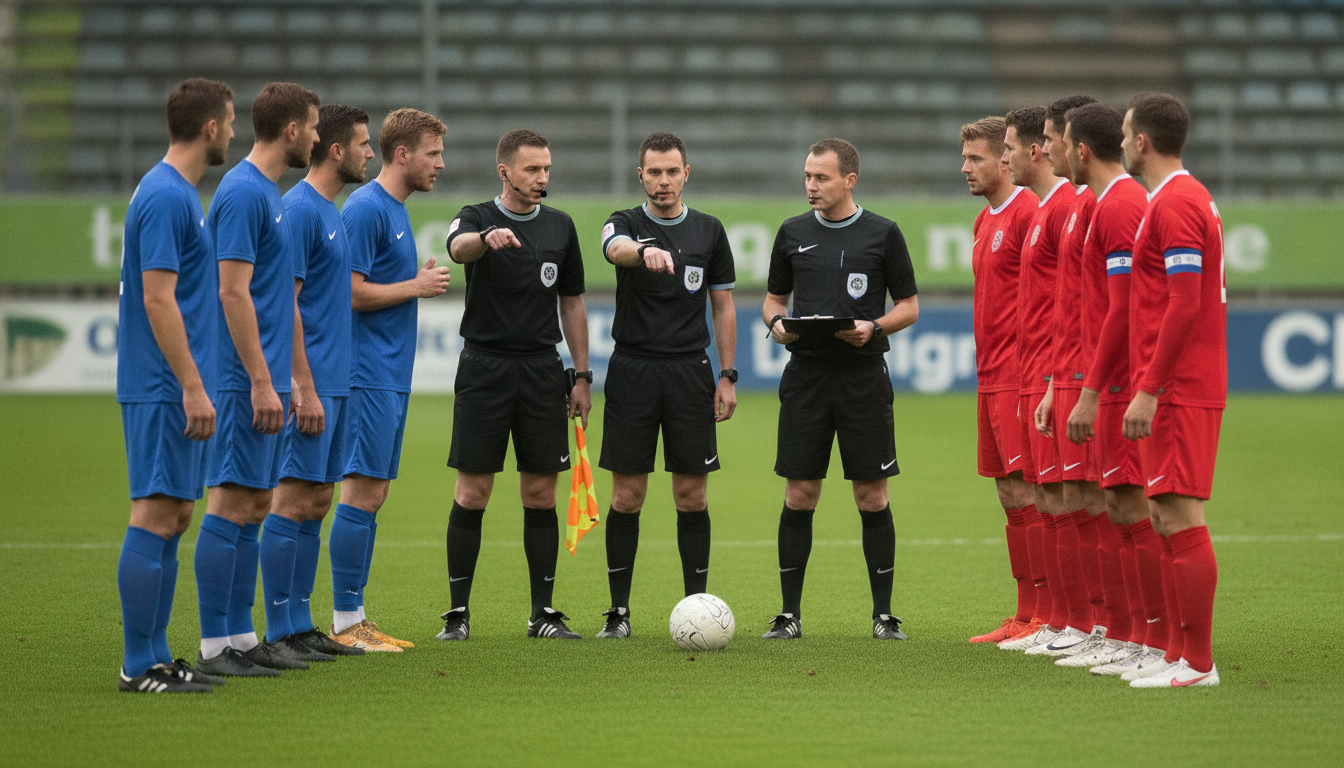
How Many Players Are There in Football?
How Many Players Are There in Football?
Two lines of players walk out before kick-off, one of them pulling on a different shirt and gloves. Here is exactly how many are meant to be standing there, and what happens when that number starts to shrink.

Picture the tunnel before kick-off. Two teams file out, and if you count heads, each comes to eleven. Ten of them are in matching kit, running and passing and defending as the game demands. One is dressed differently, in gloves, standing apart even during the warm-up. That is the shape of a football team, every match, everywhere the game is played under the same rulebook.
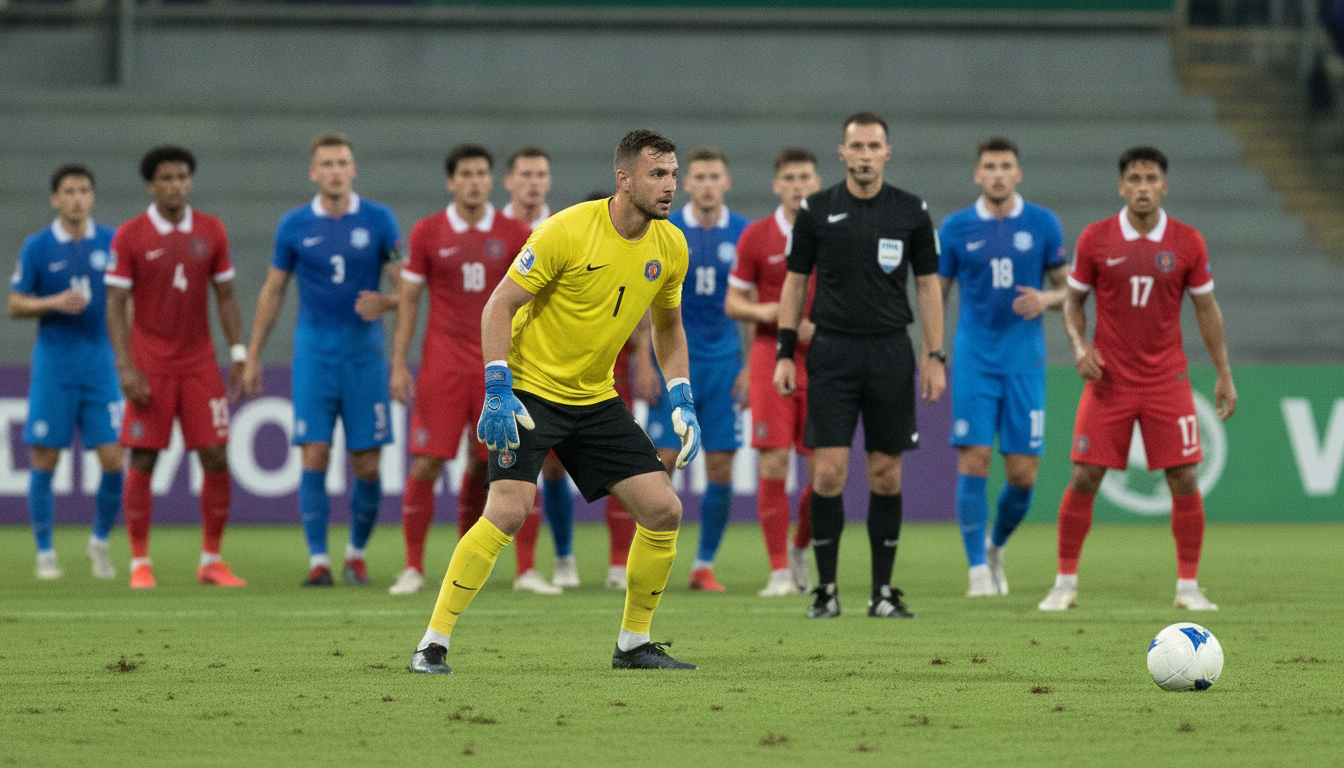
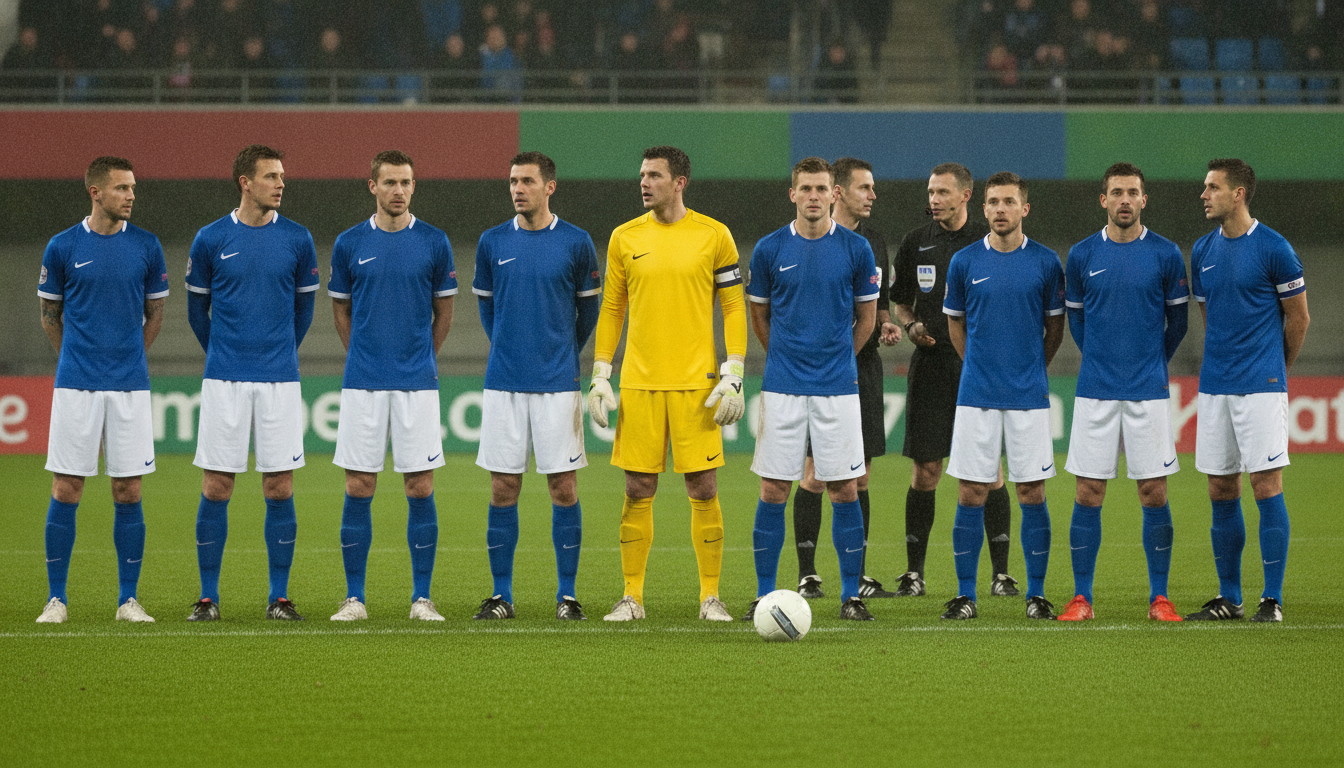
The answer to how many players are in football is eleven per side, twenty-two on the pitch at once, and one of each team's eleven has to be the goalkeeper. That is not a convention that grew up over time. It is written down, plainly, in the Laws of the Game.
The IFAB Laws of the Game, in Law 3: The Players, put it like this: "A match is played by two teams, each with a maximum of eleven players; one must be the goalkeeper." Read that again slowly, because the word doing the work is "maximum", not "exactly". The law does not say a team must have eleven. It says eleven is the ceiling. A team can play with ten, or nine, and the match carries on. What it cannot do is go above eleven, and it cannot do without a goalkeeper, that role is compulsory, the outfield players are not.
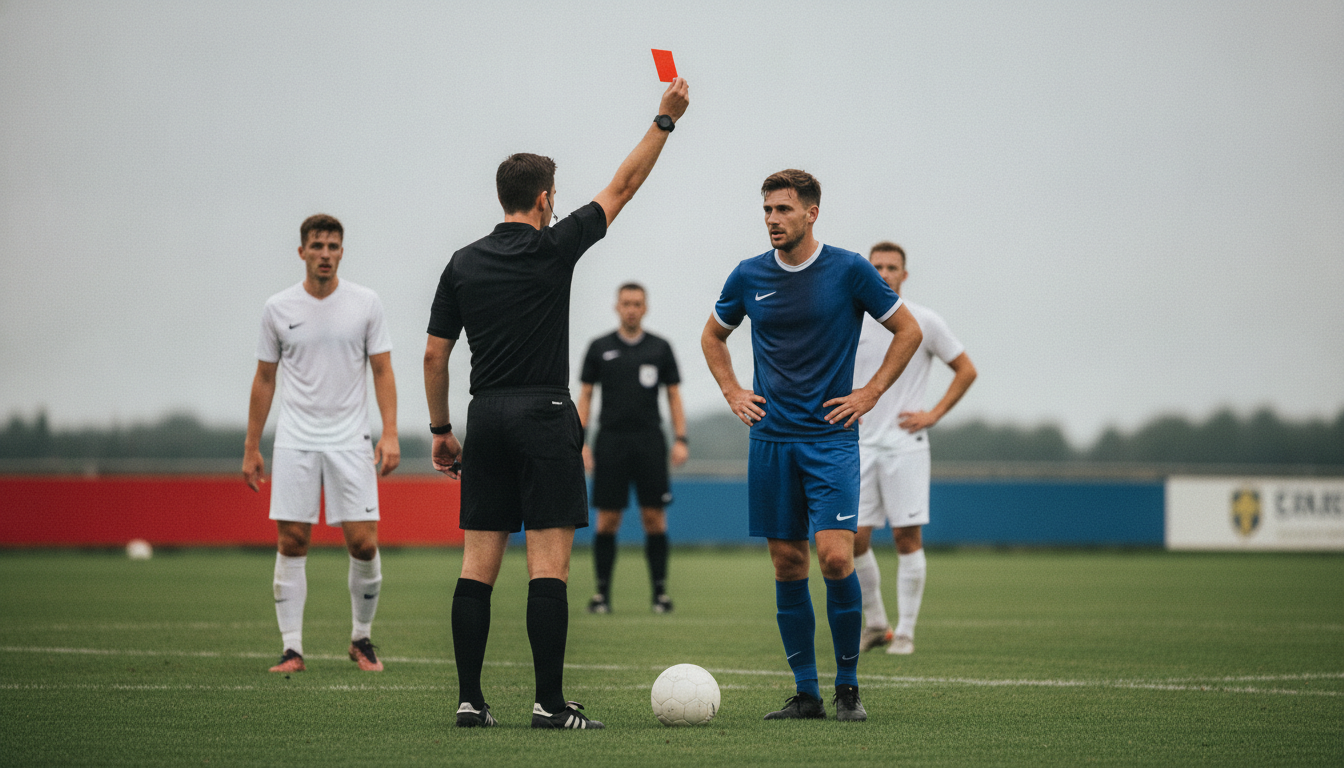
So the eleven is a cap, and the goalkeeper is a fixed requirement inside it. That is why you see teams finish matches with ten men after a red card, still legally playing, still bound by the same laws, just short of the maximum they started with. What you never see is a team finishing with ten outfield players and no goalkeeper at all, unless someone has pulled on the gloves to fill the gap, because that single position inside the eleven is not optional.
The cap can also be shed further than most people realise before the match itself is called off. The Laws of the Game set a hard floor as well as a ceiling: "A match may not start or continue if either team has fewer than seven players." Seven, not eight or nine, an oddly specific number, and it is the actual threshold written into the law. Red cards, injuries with no substitutes left, players simply unable to continue: a team can lose player after player and the match grinds on, referee watching the head count, right up until one side drops to six. At that point the game stops, whatever the score, however long is left.
That same clause carves out an exception most spectators never notice, because it is about clocks as much as numbers. The law specifies the seven-player floor does not count players who are only temporarily off the pitch under two specific arrangements: the time-limited substitution protocol, and the off-field treatment and assessment protocol. In plain terms, a player being treated for an injury just off the field, or coming back on within a timed window under those protocols, is not treated as missing for the purpose of that seven-player count. The team is not judged to be down to six just because someone is being looked at by medical staff a few yards away with the clock running.
All of which means the honest, complete answer has three parts sitting inside one law. Eleven is the most either team is allowed to field. One of those eleven must always be a goalkeeper. And seven is the fewest a team can drop to before the referee has to stop the match altogether, wherever it stands.
Sources1 source
IFAB Laws of the Game — Law 3: The Players, IFAB Laws of the Game — Law 3: The Players
Flagside's editors read every piece we publish. We work from the football press, write our own copy rather than reprinting anyone's, and check each article for accuracy and sourcing. Every outlet that fed into this piece is named under Sources.
%22%20%2F%3E%0A%20%20%3Crect%20width%3D%22100%25%22%20height%3D%22100%25%22%20fill%3D%22url(%23glow)%22%20%2F%3E%0A%20%20%3Cg%20transform%3D%22rotate(5%2C%20600%2C%20337.5)%22%3E%0A%20%20%20%20%3Crect%20x%3D%22-200%22%20y%3D%22418.5%22%20width%3D%221600%22%20height%3D%222%22%20fill%3D%22%23E4002B%22%20opacity%3D%220.132%22%20%2F%3E%0A%20%20%20%20%3Crect%20x%3D%22-200%22%20y%3D%22499.5%22%20width%3D%221600%22%20height%3D%221%22%20fill%3D%22%23E4002B%22%20opacity%3D%220.132%22%20%2F%3E%0A%20%20%3C%2Fg%3E%0A%20%20%3Ccircle%20cx%3D%22744%22%20cy%3D%22129%22%20r%3D%22205%22%20fill%3D%22%23E4002B%22%20opacity%3D%220.129%22%20%2F%3E%0A%20%20%3Ccircle%20cx%3D%221071%22%20cy%3D%223%22%20r%3D%2290%22%20fill%3D%22%23E4002B%22%20opacity%3D%220.126%22%20%2F%3E%0A%20%20%3Ccircle%20cx%3D%22646%22%20cy%3D%22341%22%20r%3D%22154%22%20fill%3D%22%23E4002B%22%20opacity%3D%220.097%22%20%2F%3E%0A%20%20%3Ccircle%20cx%3D%22792%22%20cy%3D%2217%22%20r%3D%22313%22%20fill%3D%22%23E4002B%22%20opacity%3D%220.127%22%20%2F%3E%0A%20%20%3Ccircle%20cx%3D%22659%22%20cy%3D%22240%22%20r%3D%22129%22%20fill%3D%22%23E4002B%22%20opacity%3D%220.123%22%20%2F%3E%0A%20%20%3Ccircle%20cx%3D%221082%22%20cy%3D%22521%22%20r%3D%22178%22%20fill%3D%22%23E4002B%22%20opacity%3D%220.092%22%20%2F%3E%0A%20%20%3Ctext%20x%3D%2248%22%20y%3D%2264%22%0A%20%20%20%20%20%20%20%20font-family%3D%22'Taurus%20Grotesk'%2C%20system-ui%2C%20sans-serif%22%0A%20%20%20%20%20%20%20%20font-size%3D%2214%22%20font-weight%3D%22500%22%20letter-spacing%3D%222.5%22%0A%20%20%20%20%20%20%20%20fill%3D%22%23E4002B%22%20opacity%3D%220.85%22%3EOTHER%20FOOTBALL%3C%2Ftext%3E%0A%20%20%3Ctext%20x%3D%2248%22%20y%3D%22611%22%0A%20%20%20%20%20%20%20%20font-family%3D%22'Suomi%20Veto%20Lugati'%2C%20'Anton'%2C%20'Oswald'%2C%20Impact%2C%20sans-serif%22%0A%20%20%20%20%20%20%20%20font-style%3D%22italic%22%20font-weight%3D%22700%22%0A%20%20%20%20%20%20%20%20font-size%3D%2264%22%20letter-spacing%3D%22-0.01em%22%0A%20%20%20%20%20%20%20%20fill%3D%22%23FFFFFF%22%20opacity%3D%220.96%22%3EHow%20Long%20Can%20a%20Football%20Match%20Last%3F%3C%2Ftext%3E%0A%20%20%3Ctext%20x%3D%221152%22%20y%3D%22647%22%0A%20%20%20%20%20%20%20%20text-anchor%3D%22end%22%0A%20%20%20%20%20%20%20%20font-family%3D%22'Taurus%20Grotesk'%2C%20system-ui%2C%20sans-serif%22%0A%20%20%20%20%20%20%20%20font-size%3D%2211%22%20font-weight%3D%22500%22%20letter-spacing%3D%222%22%0A%20%20%20%20%20%20%20%20fill%3D%22%23FFFFFF%22%20opacity%3D%220.45%22%3EFLAGSIDE.FOOTBALL%3C%2Ftext%3E%0A%3C%2Fsvg%3E)
The day's football, in your inbox at 7 AM. Nothing else.
Pick of the night's matches, what the transfer window's doing, and the one column you should read today. No ads. No tips. No operators.
One-click unsubscribe. We do not share emails.
Comments
Loading comments…