 ABE0
ABE0 RAN0
RAN0 TOT0
TOT0 NEW2
NEW2 BOU1
BOU1 EVE1
EVE1 COV0
COV0 HUL1
HUL1 LIV2
LIV2 NFO2
NFO2 BLK1
BLK1 QPR2
QPR2 BOL0
BOL0 LCN1
LCN1 BRC2
BRC2 POR1
POR1 CAR2
CAR2 SHU2
SHU2 CHA1
CHA1 PNE0
PNE0 NOR4
NOR4 BUR1
BUR1 SOU5
SOU5 MIL1
MIL1 WAT1
WAT1 WHU1
WHU1 DER0
DER0 SWA3
SWA3%22%20%2F%3E%0A%20%20%3Crect%20width%3D%22100%25%22%20height%3D%22100%25%22%20fill%3D%22url(%23glow)%22%20%2F%3E%0A%20%20%3Cg%20transform%3D%22rotate(-2%2C%20600%2C%20337.5)%22%3E%0A%20%20%20%20%3Crect%20x%3D%22-200%22%20y%3D%22418.5%22%20width%3D%221600%22%20height%3D%222%22%20fill%3D%22%23E4002B%22%20opacity%3D%220.117%22%20%2F%3E%0A%20%20%20%20%3Crect%20x%3D%22-200%22%20y%3D%22499.5%22%20width%3D%221600%22%20height%3D%221%22%20fill%3D%22%23E4002B%22%20opacity%3D%220.117%22%20%2F%3E%0A%20%20%3C%2Fg%3E%0A%20%20%3Ccircle%20cx%3D%22185%22%20cy%3D%22304%22%20r%3D%2297%22%20fill%3D%22%23E4002B%22%20opacity%3D%220.139%22%20%2F%3E%0A%20%20%3Ccircle%20cx%3D%22243%22%20cy%3D%2264%22%20r%3D%22187%22%20fill%3D%22%23E4002B%22%20opacity%3D%220.060%22%20%2F%3E%0A%20%20%3Ccircle%20cx%3D%22681%22%20cy%3D%22276%22%20r%3D%22389%22%20fill%3D%22%23E4002B%22%20opacity%3D%220.137%22%20%2F%3E%0A%20%20%3Ccircle%20cx%3D%221009%22%20cy%3D%22515%22%20r%3D%22230%22%20fill%3D%22%23E4002B%22%20opacity%3D%220.085%22%20%2F%3E%0A%20%20%3Ccircle%20cx%3D%22185%22%20cy%3D%22232%22%20r%3D%22392%22%20fill%3D%22%23E4002B%22%20opacity%3D%220.099%22%20%2F%3E%0A%20%20%3Ctext%20x%3D%2248%22%20y%3D%2264%22%0A%20%20%20%20%20%20%20%20font-family%3D%22'Taurus%20Grotesk'%2C%20system-ui%2C%20sans-serif%22%0A%20%20%20%20%20%20%20%20font-size%3D%2214%22%20font-weight%3D%22500%22%20letter-spacing%3D%222.5%22%0A%20%20%20%20%20%20%20%20fill%3D%22%23E4002B%22%20opacity%3D%220.85%22%3EOTHER%20FOOTBALL%3C%2Ftext%3E%0A%20%20%3Ctext%20x%3D%2248%22%20y%3D%22611%22%0A%20%20%20%20%20%20%20%20font-family%3D%22'Suomi%20Veto%20Lugati'%2C%20'Anton'%2C%20'Oswald'%2C%20Impact%2C%20sans-serif%22%0A%20%20%20%20%20%20%20%20font-style%3D%22italic%22%20font-weight%3D%22700%22%0A%20%20%20%20%20%20%20%20font-size%3D%2264%22%20letter-spacing%3D%22-0.01em%22%0A%20%20%20%20%20%20%20%20fill%3D%22%23FFFFFF%22%20opacity%3D%220.96%22%3EWhat%20happens%20if%20a%20footballer%20fails%20a%20medical%3F%3C%2Ftext%3E%0A%20%20%3Ctext%20x%3D%221152%22%20y%3D%22647%22%0A%20%20%20%20%20%20%20%20text-anchor%3D%22end%22%0A%20%20%20%20%20%20%20%20font-family%3D%22'Taurus%20Grotesk'%2C%20system-ui%2C%20sans-serif%22%0A%20%20%20%20%20%20%20%20font-size%3D%2211%22%20font-weight%3D%22500%22%20letter-spacing%3D%222%22%0A%20%20%20%20%20%20%20%20fill%3D%22%23FFFFFF%22%20opacity%3D%220.45%22%3EFLAGSIDE.FOOTBALL%3C%2Ftext%3E%0A%3C%2Fsvg%3E)
What happens if a footballer fails a medical?
A failed medical does not automatically kill a transfer — but it hands the buying club a choice that can reshape the whole deal.

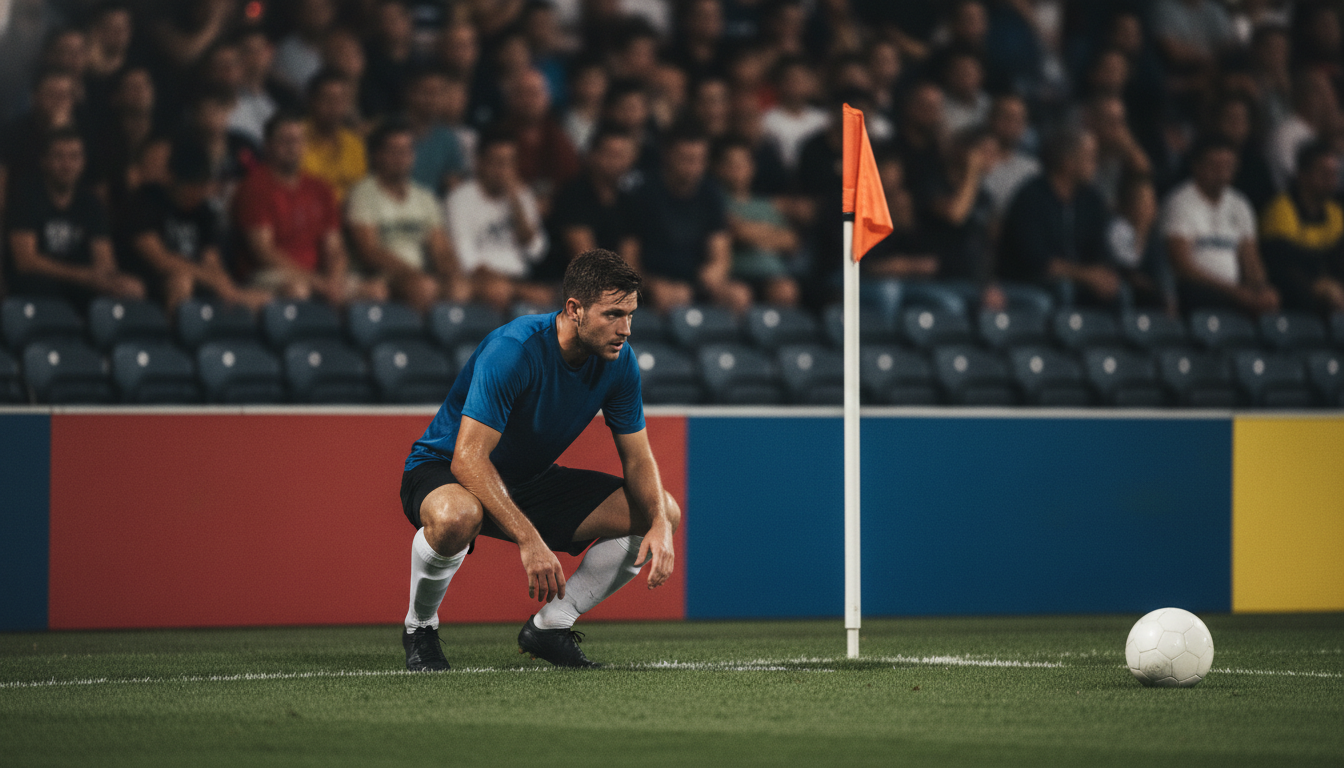
Picture the scene: a player has landed at a new city, posed for photos outside the training ground, and is sitting in a clinic while doctors work through scans of his knees and a trace of his heart. Then the club's medical staff flag something. The deal that looked done an hour ago is suddenly in doubt.
When that happens, the buying club can walk away entirely. The transfer collapses, the player travels back, and unless another buyer appears he stays where he is.
That is the bluntest outcome, but it is not the only one. Clubs often use a failed medical as a reason to go back to the table. The fee might come down. The contract might be shortened. Clauses tied to appearances or fitness targets might be added, so the selling club only receives the full amount if the player stays healthy and plays regularly. All of those are ways of shifting the risk — if the knee holds up, everyone gets paid; if it does not, the buying club has not overspent.
In rare cases the deal goes through unchanged. If both clubs and the player agree to accept the risk, and the buying club decides the player is worth it anyway, the transfer can still be completed on the original terms. This tends to happen when the issue flagged is minor, already known, or something the club's own doctors judge differently from the first assessment.
That last point matters: medical thresholds are not the same everywhere. What one club considers a disqualifying problem, another may treat as manageable. A player who fails a medical at one club can, and sometimes does, pass one at a different club and complete a move there instead. The standards are set by each club's own medical staff, not by a single shared rulebook, so the result can vary.
What a medical is actually checking covers a wide range. Doctors look at joints, muscles, and any history of injury. They run heart tests. They examine anything that could affect how long the player performs at a high level or how likely he is to break down. The financial stakes are high — a club paying a large fee and committing to years of wages needs to know what it is buying — and the medical is the main tool for finding that out before the money moves.
If the transfer does collapse and no other club comes in, the player simply stays put. His current club keeps him, whether or not either side wanted that outcome.
The day's football, in your inbox at 7 AM. Nothing else.
Pick of the night's matches, what the transfer window's doing, and the one column you should read today. No ads. No tips. No operators.
One-click unsubscribe. We do not share emails.
Comments
Loading comments…