
 TOT0
TOT0 NEW0
NEW0 BOU1
BOU1 EVE1
EVE1 COV0
COV0 HUL1
HUL1 LIV2
LIV2 NFO2
NFO2 CRY1
CRY1 MNC4
MNC4 BLK1
BLK1 QPR2
QPR2 BOL0
BOL0 LCN1
LCN1 BRC2
BRC2 POR1
POR1 CAR2
CAR2 SHU2
SHU2 CHA1
CHA1 PNE0
PNE0 NOR4
NOR4 BUR1
BUR1 SOU5
SOU5 MIL1
MIL1 WAT1
WAT1 WHU1
WHU1 DER0
DER0 SWA3
SWA3%22%20%2F%3E%0A%20%20%3Crect%20width%3D%22100%25%22%20height%3D%22100%25%22%20fill%3D%22url(%23glow)%22%20%2F%3E%0A%20%20%3Cg%20transform%3D%22rotate(3%2C%20600%2C%20337.5)%22%3E%0A%20%20%20%20%3Crect%20x%3D%22-200%22%20y%3D%22418.5%22%20width%3D%221600%22%20height%3D%222%22%20fill%3D%22%23E4002B%22%20opacity%3D%220.120%22%20%2F%3E%0A%20%20%20%20%3Crect%20x%3D%22-200%22%20y%3D%22499.5%22%20width%3D%221600%22%20height%3D%221%22%20fill%3D%22%23E4002B%22%20opacity%3D%220.120%22%20%2F%3E%0A%20%20%3C%2Fg%3E%0A%20%20%3Ccircle%20cx%3D%22556%22%20cy%3D%22541%22%20r%3D%22121%22%20fill%3D%22%23E4002B%22%20opacity%3D%220.124%22%20%2F%3E%0A%20%20%3Ccircle%20cx%3D%221167%22%20cy%3D%22582%22%20r%3D%22361%22%20fill%3D%22%23E4002B%22%20opacity%3D%220.113%22%20%2F%3E%0A%20%20%3Ccircle%20cx%3D%22611%22%20cy%3D%22605%22%20r%3D%22366%22%20fill%3D%22%23E4002B%22%20opacity%3D%220.072%22%20%2F%3E%0A%20%20%3Ccircle%20cx%3D%22284%22%20cy%3D%22504%22%20r%3D%22395%22%20fill%3D%22%23E4002B%22%20opacity%3D%220.067%22%20%2F%3E%0A%20%20%3Ccircle%20cx%3D%221022%22%20cy%3D%2229%22%20r%3D%22198%22%20fill%3D%22%23E4002B%22%20opacity%3D%220.128%22%20%2F%3E%0A%20%20%3Ccircle%20cx%3D%22484%22%20cy%3D%22649%22%20r%3D%22380%22%20fill%3D%22%23E4002B%22%20opacity%3D%220.054%22%20%2F%3E%0A%20%20%3Ctext%20x%3D%2248%22%20y%3D%2264%22%0A%20%20%20%20%20%20%20%20font-family%3D%22'Taurus%20Grotesk'%2C%20system-ui%2C%20sans-serif%22%0A%20%20%20%20%20%20%20%20font-size%3D%2214%22%20font-weight%3D%22500%22%20letter-spacing%3D%222.5%22%0A%20%20%20%20%20%20%20%20fill%3D%22%23E4002B%22%20opacity%3D%220.85%22%3EOTHER%20FOOTBALL%3C%2Ftext%3E%0A%20%20%3Ctext%20x%3D%2248%22%20y%3D%22611%22%0A%20%20%20%20%20%20%20%20font-family%3D%22'Suomi%20Veto%20Lugati'%2C%20'Anton'%2C%20'Oswald'%2C%20Impact%2C%20sans-serif%22%0A%20%20%20%20%20%20%20%20font-style%3D%22italic%22%20font-weight%3D%22700%22%0A%20%20%20%20%20%20%20%20font-size%3D%2264%22%20letter-spacing%3D%22-0.01em%22%0A%20%20%20%20%20%20%20%20fill%3D%22%23FFFFFF%22%20opacity%3D%220.96%22%3EWhat%20happens%20if%20a%20footballer%20refuses%20to%20play%3F%3C%2Ftext%3E%0A%20%20%3Ctext%20x%3D%221152%22%20y%3D%22647%22%0A%20%20%20%20%20%20%20%20text-anchor%3D%22end%22%0A%20%20%20%20%20%20%20%20font-family%3D%22'Taurus%20Grotesk'%2C%20system-ui%2C%20sans-serif%22%0A%20%20%20%20%20%20%20%20font-size%3D%2211%22%20font-weight%3D%22500%22%20letter-spacing%3D%222%22%0A%20%20%20%20%20%20%20%20fill%3D%22%23FFFFFF%22%20opacity%3D%220.45%22%3EFLAGSIDE.FOOTBALL%3C%2Ftext%3E%0A%3C%2Fsvg%3E)
What happens if a footballer refuses to play?
A player storms past the manager on the touchline, arms folded, shaking his head. It happens. But the consequences are more complicated — and more expensive — than most fans realise.

Picture the scene: a player who wants to leave sits in the stands in his club tracksuit, week after week, while his team-mates warm up below him. He is not injured. He has simply decided he is not playing. It is one of the more awkward sights in football, and it has a very specific set of consequences.
The short answer is that refusing to play costs the player money, and it does not get him out of his contract.
A footballer is an employee with a contract, and that contract requires him to train and play when selected. Refusing to do either is a breach of those duties. The club can respond by fining him a portion of his weekly wages, suspending him, or withholding pay altogether. None of those options require the club to let him go — they can simply sit on his registration and wait.
That last point is the one that catches people out. A player cannot walk away from a contract and sign for someone else. His registration stays with his current club until both parties agree to a transfer, a loan, or a termination of the contract. Without that agreement, he is going nowhere, no matter how publicly he makes his feelings known.
The most common reason a player reaches this point is a transfer dispute. He wants to move, the club will not sell at the price being offered, and he decides that making himself unavailable will force their hand. Sometimes it works. The club, unwilling to carry an unhappy player on full wages while he contributes nothing, eventually agrees to sell. Sometimes it does not, and the player spends months in the stands before quietly returning to the squad.
The same logic applies to a substitute who refuses to come on when called. That is a shorter, sharper version of the same problem — and the club can discipline him for it afterwards, just as they would for any other breach of his duties.
What tends to happen in practice is that neither side wants the standoff to drag on. Prolonged disputes are expensive for the player, who may lose wages and bonuses, and awkward for the club, who are paying a significant salary for someone contributing nothing. Most cases end in a transfer, a loan move, or a negotiated settlement that lets both parties move on. The public confrontations that make headlines are usually the ones where that negotiation has broken down, not the ones where it never started.
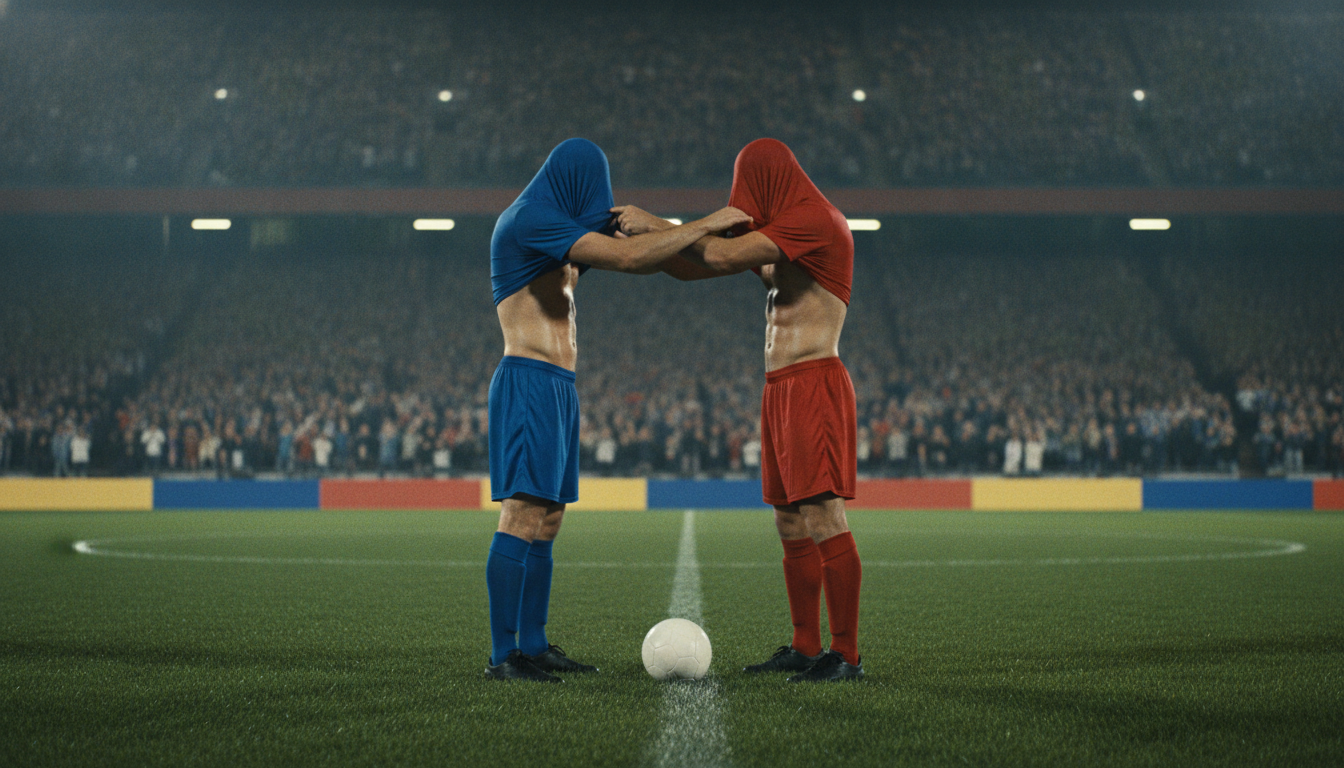
The player holds less power than the gesture suggests. Folded arms and a seat in the stands make for a striking image, but the contract — and the registration that goes with it — stays firmly in the club's hands until they choose to release it.
The day's football, in your inbox at 7 AM. Nothing else.
Pick of the night's matches, what the transfer window's doing, and the one column you should read today. No ads. No tips. No operators.
One-click unsubscribe. We do not share emails.
Comments
Loading comments…