


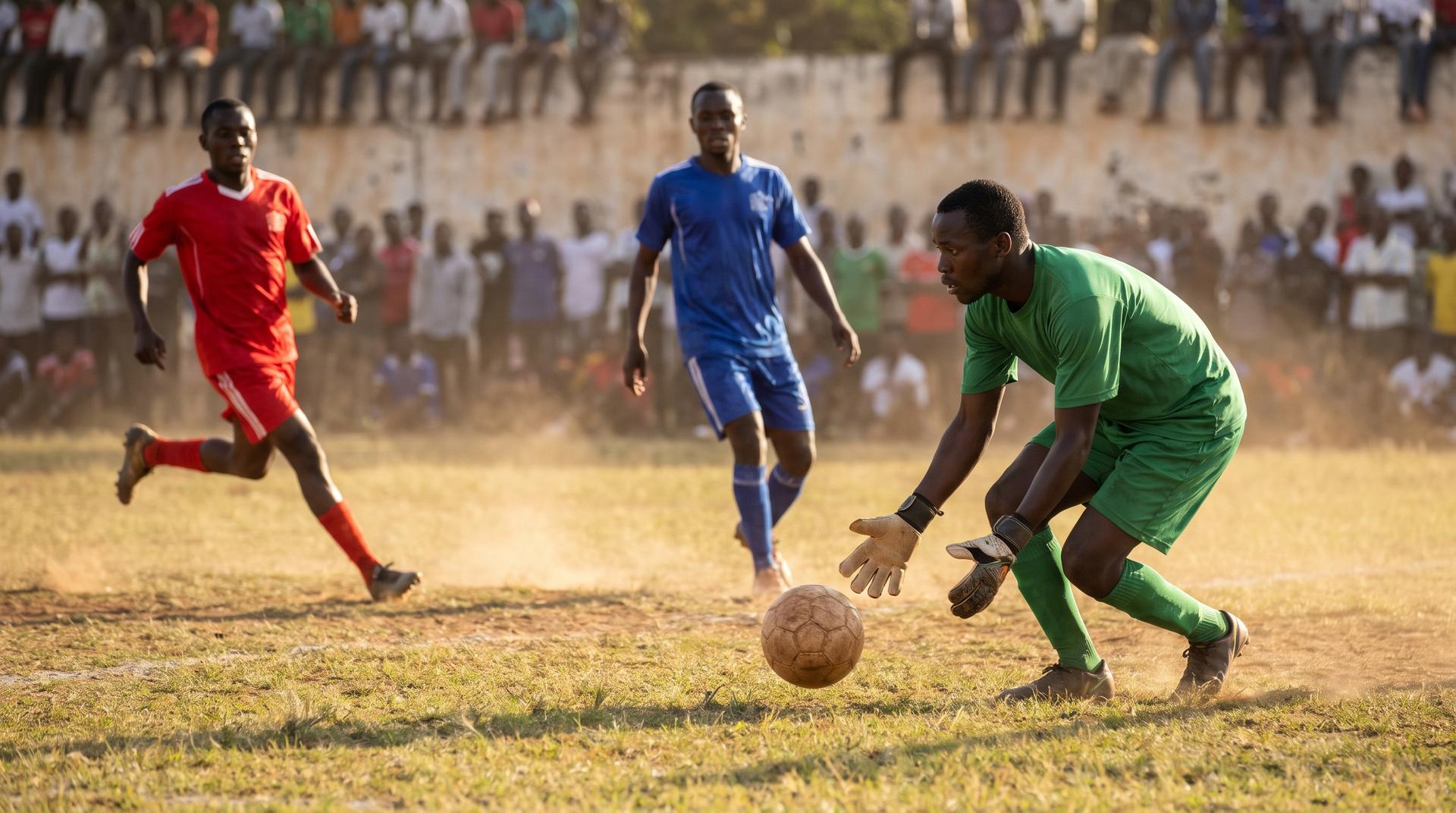
Can a goalkeeper handle a back pass? Not if it was kicked to them
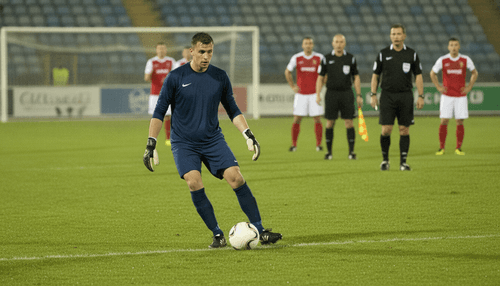
Picture it. A defender under pressure turns and side-foots the ball back towards their own goalkeeper. An opposing forward sprints after it. The keeper, standing inside the penalty area, could pick it up and end the danger. Instead they take a touch with their feet, or hoof it clear.
That hesitation is the rule at work. A goalkeeper cannot touch with their hands or arms a ball that a team-mate has deliberately kicked to them. If they do, the referee stops play and gives the other side an indirect free kick.
The Laws of the Game do not use the term "back pass". Everyone says it, commentators and players included, but the Laws describe something more exact: a ball "deliberately" kicked to the goalkeeper by a team-mate. That one word is where the rule lives or dies.
The same restriction applies when a team-mate throws the ball directly to the keeper from a throw-in. A throw-in is not a kick, but the keeper still cannot handle it.
Law 12, which covers fouls and misconduct, walks through the situation fans picture. A defender deliberately passes to the goalkeeper, an opponent runs at the ball, and the goalkeeper handles it inside their own penalty area. The ruling is short: "The referee stops play and awards an indirect free kick to the attacking team. There is no disciplinary sanction for the goalkeeper."
That second sentence matters. The keeper is not cautioned for this offence. The attacking team simply takes an indirect free kick close to goal.
There is one disciplinary catch, and it falls on the player rather than the keeper. If a player uses a deliberate trick to get round the rule, for example a flick-up so they can head or chest the ball back to the keeper, that player is cautioned for unsporting behaviour. The restart is still an indirect free kick.
The kind of free kick matters too. It is an indirect free kick, not a direct one and not a penalty. A deliberate handball by an outfield player inside their own penalty area is a direct free kick offence, punished with a penalty kick. This offence is lighter: indirect, even though it happens in the same area.
Now the part most people never think to ask about. The rule depends on how the ball got to the keeper, not simply on the fact that a team-mate was the last to play it. If the ball was not deliberately kicked to the goalkeeper, and did not come directly from a team-mate's throw-in, they can use their hands as normal.
Law 12 gives an example of exactly that. The ball came back towards the goalkeeper, but not from a deliberate kick, and the keeper picked it up with an opponent closing in. The verdict reads: "The goalkeeper was allowed to handle the ball because it was not a deliberate kick to the goalkeeper".
That wording is precise in two places at once. It has to be deliberate, so a ball that comes off a defender by accident is not covered. And it has to be a kick, so the rule is about the ball being played with the foot towards the keeper on purpose.
So when you see a keeper scramble to clear a ball with their feet while a striker bears down on them, it is not nerves or showing off. They are reading what their team-mate just did. After a deliberate kick back, or a throw-in straight to them, it is feet only.
Sources1 source
IFAB Laws of the Game — Law 12: Fouls and Misconduct, IFAB Laws of the Game — Law 12: Fouls and Misconduct
We name and link every outlet this article draws on, and rewrite their reporting in our own words rather than reprinting it.
More on Other football
See more
Sign up for the Flagside newsletter.
We use your address only for the Flagside newsletter.
We do not share email addresses.
Comments
Loading comments…